Formaldehyde can cause cancer, and the International Agency for Research on Cancer (IARC) classes it as a Group 1 known human carcinogen. But the strong cancer evidence comes mainly from high, long-term exposure in workplaces like factories, labs and embalming rooms, not the much lower levels found in a normal home. At typical household levels the cancer risk is considered low. Formaldehyde is still an irritant, so keeping levels down with good ventilation and treating the source is sensible, especially for young children and anyone with breathing problems.
Can formaldehyde cause cancer?
Yes, in the sense that there is solid scientific evidence linking it to certain cancers. IARC reviewed the research and placed formaldehyde in Group 1, its category for substances with enough evidence to be called a known human carcinogen. The cancers most clearly linked to it are nasopharyngeal cancer (in the upper throat behind the nose) and some forms of leukaemia. That sounds alarming on its own, but the level and length of exposure matter a great deal, which is the part that usually gets left out.
What does the IARC Group 1 classification really mean?
Group 1 tells you a substance can cause cancer in people. It does not tell you how much it takes, or that every exposure carries the same risk. The studies behind the formaldehyde classification largely followed workers breathing high concentrations day after day for years. Their exposure was far above anything you would meet at home. So the label is accurate, but reading it as "any formaldehyde will give you cancer" misreads what the evidence actually shows. Dose and duration are central to the real risk.
Is home-level formaldehyde dangerous?
At the levels most homes see, the cancer risk is considered low. New furniture, engineered wood, flooring and fresh paint can release formaldehyde, and levels are usually highest just after a renovation or a delivery of new pieces, then fall over weeks and months. The more common everyday effect is irritation rather than serious disease. People notice things like a scratchy throat, stinging eyes or a stuffy nose when levels are high. The World Health Organization suggests an indoor-air guideline of about 0.1 mg/m3 (roughly 0.08 ppm averaged over 30 minutes) as a practical benchmark to stay under. You can read more about that figure in our guide to a safe formaldehyde level at home, and about the wider picture in our overview of health impacts and regulatory considerations for formaldehyde in Singapore.
Who is most at risk?
Some people feel the effects of formaldehyde sooner and more strongly than others. It makes sense to be a little more careful for these groups:
- Babies and young children, who breathe faster relative to their size and spend long hours indoors
- Pregnant women, where it is reasonable to keep avoidable exposures low
- People with asthma, allergies or other breathing conditions
- Older adults and anyone already sensitive to fumes and strong smells
If you are setting up a nursery or expecting a baby, our note on formaldehyde in the baby nursery during pregnancy walks through sensible steps. You can also check our list of formaldehyde exposure symptoms at home if anyone in the household has been feeling off.
How can you keep your exposure low?
The practical goal is not to panic but to keep levels down, particularly when a home is new or freshly furnished. A few habits do most of the work:
- Ventilate well, especially after a renovation or new furniture arrives. Open windows and run fans to move air through
- Give new engineered-wood pieces time to off-gas before heavy use in bedrooms
- Keep indoor temperature and humidity moderate, since heat and damp raise emission rates
- Treat the source directly rather than masking the smell
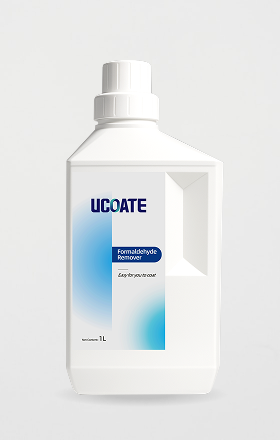
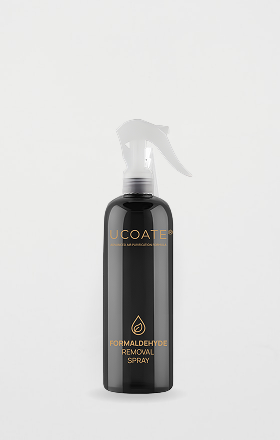
If you want to bring levels down faster, the UCOATE Formaldehyde Remover Spray is one option. It is a 500ml water-based, non-toxic formula (rated under OECD 420) that binds with formaldehyde and breaks it down into water and carbon dioxide, and it removed 93.83% of formaldehyde in SGS testing. We have supplied it in Singapore since 2018, and it is available on Shopee. Treat it as part of normal upkeep, not an emergency response.
This article is general information, not medical advice. If you have specific health concerns about formaldehyde or symptoms in your household, speak to a doctor.