
Some do. Certain new clothes and bed linen carry formaldehyde from finishes used to keep fabric wrinkle-free, shrink-resistant or crisp during shipping. The amounts are usually low and regulated in many markets, but they can irritate sensitive skin and give garments a faint chemical smell. Washing new clothes and bedsheets before you wear or sleep in them removes much of it, which makes a first wash a simple, worthwhile habit.
Do new clothes contain formaldehyde?
Not all of them, but it's common enough to be worth knowing about. Formaldehyde-based resins are sometimes applied to fabric during manufacturing, and they sit on the surface of the cloth when it reaches the shop. "Easy-care" cotton shirts, work uniforms and bed linen are the usual examples. If a new shirt straight off the rack smells a bit like a chemistry lab, that finish is often the reason.
Why is formaldehyde used on fabric?
It does a few jobs that shoppers actually ask for. The finish helps cotton hold its shape, so a shirt looks pressed without much ironing, and it keeps garments from creasing badly while they're folded in a container for weeks of shipping.
- Wrinkle-free and easy-care: the resin stiffens fibres so clothes resist creasing.
- Shrink and shape control: it helps cotton keep its size and fit after washing.
- Stain resistance: some finishes make fabric shed spills more easily.
- Looking crisp in transit: garments arrive on the shelf flat and tidy rather than rumpled.
None of that is sinister. It's a manufacturing choice, and the residue left on the cloth is normally small.
Can formaldehyde in clothes irritate your skin?
It can, in people who are sensitive to it. Direct contact with treated fabric may cause skin irritation or contact dermatitis, an itchy red rash that tends to show up where clothing rubs or fits snugly, like the collar, waistband or underarms. Most people wear new clothes without any trouble, but if your skin reacts, a finish like this is one possible cause. In Singapore's humidity, sweat keeps the fabric pressed against your skin for longer, which doesn't help. If you get a persistent rash, see a doctor or dermatologist; this article is general information, not medical advice.
Should you wash new clothes before wearing them?
Yes, and it's an easy call. A wash before first wear removes a good part of the surface formaldehyde, clears out the chemical smell, and rinses off any dye residue and dirt picked up in the shop or warehouse. That goes double for anything worn next to your skin, baby clothes, and bedsheets you'll sleep on for hours every night. If you ever notice symptoms at home that go beyond clothing, our guide to formaldehyde exposure symptoms walks through what to look for.
How do you get formaldehyde out of new clothes and bedsheets?
A normal wash does most of the work. A few habits make it more effective:
- Wash new garments and linen once before first use, ideally with detergent rather than water alone.
- For a stubborn chemical smell, run a second rinse or wash again before wearing.
- Air items out in a ventilated spot afterwards; fresh air helps the smell fade.
- Take extra care with bed linen, towels and anything for children, since contact time is long.
Washing handles the clothes. The larger formaldehyde source in many homes is the carpentry the clothes live in, new wardrobes and built-in shelving made with engineered wood can release it slowly into the air. If a new cupboard has that sharp smell, see how to get rid of new furniture smell and our note on a safe formaldehyde level at home. For the regulatory side, there's a separate piece on health impacts and regulation in Singapore.
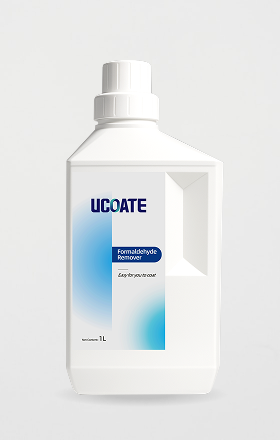
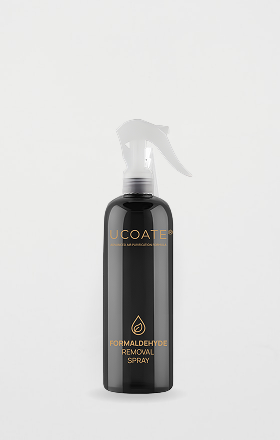
For that furniture source, we make the UCOATE Formaldehyde Remover Spray, a 500ml water-based, non-toxic treatment (OECD 420) that binds formaldehyde and breaks it down into water and CO2. It removed 93.83% in SGS testing and is available on Shopee. To be clear, it's a surface treatment for wardrobes, carpentry and furniture, not something to spray on clothes you'll wear. For those, a wash is the answer.