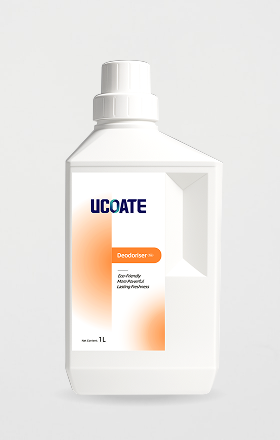
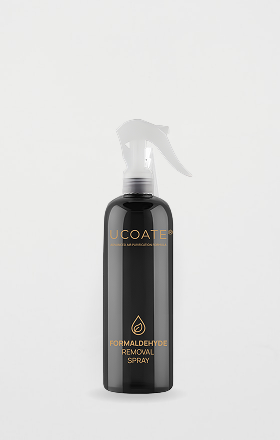

In the bustling urban landscape of Singapore, maintaining indoor air quality is crucial for the health and well-being of its inhabitants. Formaldehyde, a volatile organic compound (VOC), often lurks in homes and offices, posing significant health risks. Businesses in Singapore are increasingly prioritizing formaldehyde removal to protect their employees and clients. For those looking to understand this issue in depth, our comprehensive formaldehyde removal products in Singapore resource provides everything you need to know about effective solutions and compliance in 2026.
What are the health risks associated with formaldehyde exposure?
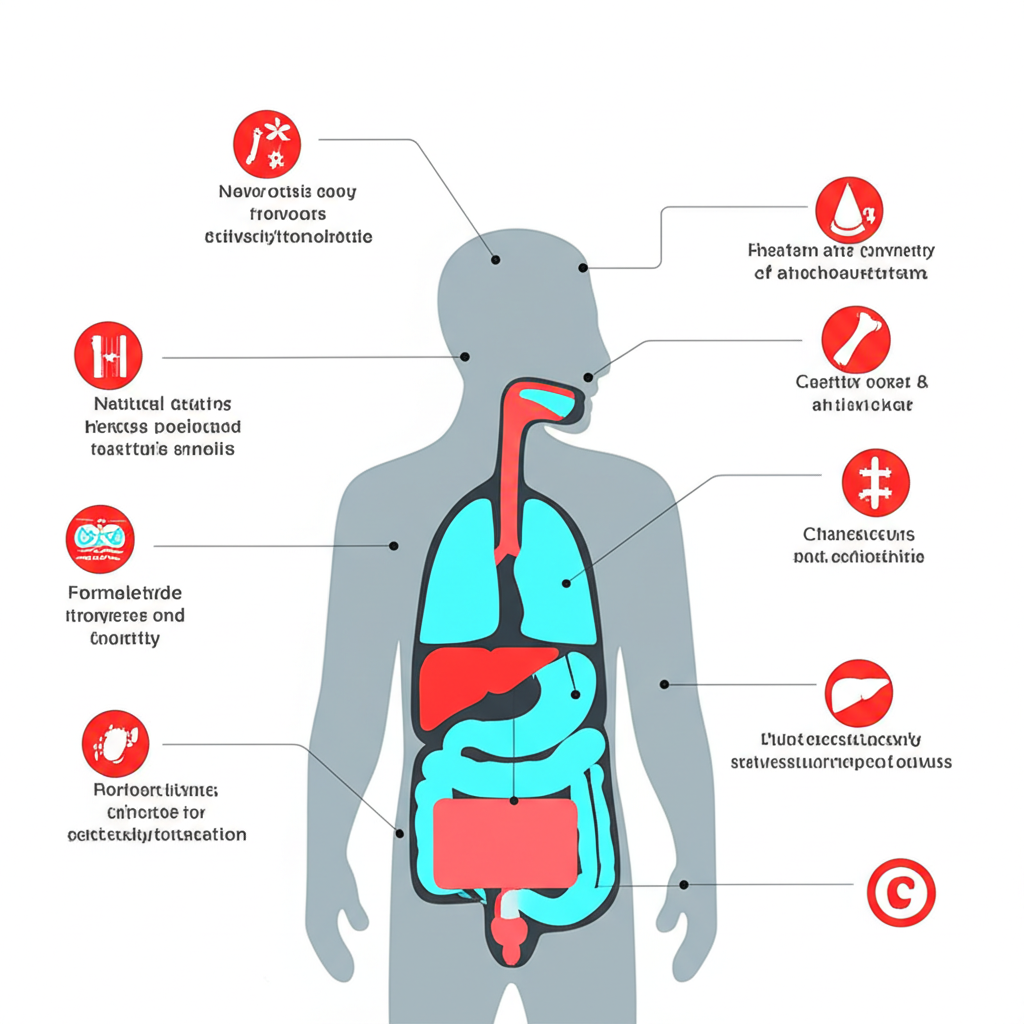
Formaldehyde exposure can have various adverse health effects, especially when it accumulates in enclosed spaces. Let's delve into the specific health risks:
- Respiratory issues: Exposure to formaldehyde can lead to a range of respiratory problems, including irritation of the eyes, nose, and throat. Prolonged exposure may cause symptoms such as coughing, wheezing, and difficulty breathing. In severe cases, it can exacerbate asthma or lead to chronic obstructive pulmonary disease (COPD). Ensuring effective formaldehyde removal is essential for maintaining a healthy indoor environment.
- Carcinogenic factors: The World Health Organization (WHO) classifies formaldehyde as a known human carcinogen. Long-term exposure has been linked to nasopharyngeal cancer and leukemia. This underscores the importance of monitoring formaldehyde levels, especially in workplaces where prolonged exposure is more likely.
- Safety thresholds: Regulatory bodies worldwide have established safety thresholds for formaldehyde. In Singapore, these guidelines help businesses maintain safe indoor air quality. However, even at low levels, sensitive individuals may experience adverse effects, making it crucial to implement effective removal strategies.
What regulations govern formaldehyde levels in Singapore?

Singapore has stringent regulations in place to control formaldehyde levels, ensuring public safety and environmental protection. These regulations harmonize with international standards to provide clear compliance guidelines:
- Overview of local and international standards: Singapore aligns its regulations with international benchmarks set by organizations such as the WHO and the United States Environmental Protection Agency (EPA). These standards dictate acceptable levels of formaldehyde in indoor environments, ensuring that businesses adhere to global best practices.
- Compliance requirements: Businesses in Singapore are required to regularly monitor and report formaldehyde levels. This involves using approved testing methods and maintaining detailed records. Companies must employ effective formaldehyde removal solutions to stay within permissible limits.
- Penalties for non-compliance: Failure to comply with formaldehyde regulations can result in significant penalties, including fines and operational restrictions. This makes it imperative for businesses to invest in reliable formaldehyde removal products, such as those offered by UCOATE, to avoid potential repercussions.
How can businesses ensure compliance with formaldehyde regulations?

Ensuring compliance with formaldehyde regulations is crucial for businesses to safeguard health and avoid legal issues. Here’s how businesses can effectively manage formaldehyde levels:
- Best practices for monitoring: Regular monitoring of indoor air quality is essential. Businesses should employ advanced sensors and testing equipment to detect formaldehyde levels. By maintaining a routine schedule, companies can promptly address any spikes in formaldehyde concentration.
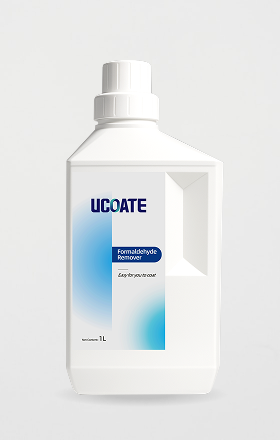
- UCOATE's role in compliance: UCOATE, under UC Environmental Pte Ltd, provides industrial-grade formaldehyde removal solutions that work without the need for UV light, making them ideal for enclosed and dark spaces. Their products are SGS certified, ensuring high efficacy in reducing formaldehyde levels to safe limits.
- Case studies: Numerous businesses have successfully implemented UCOATE's solutions to achieve compliance. For instance, a local renovation firm integrated UCOATE’s non-toxic formaldehyde spray into their projects, resulting in a 93.83% reduction in formaldehyde levels within 24 hours. This not only ensured regulatory compliance but also improved client satisfaction.
For businesses keen on implementing these strategies, understanding the full range of solutions available is crucial. Our complete guide to formaldehyde removal products in Singapore offers comprehensive insights and recommendations.
In conclusion, formaldehyde poses significant health risks, but with the right strategies, businesses in Singapore can effectively manage and mitigate these risks. By adhering to regulations and employing advanced removal solutions like those from UCOATE, businesses can ensure safe and healthy environments for their employees and customers. For more information on our formaldehyde removal solutions, get in touch with UCOATE today. Additionally, explore our technology page to learn more about the innovative features of our products.