If you bought an air quality meter after your renovation, it's probably showing you two numbers side by side: HCHO and TVOC. Most people know roughly what the first one is. The second gets ignored, which is a shame, because in a freshly renovated Singapore flat it's often the one doing the damage.
TVOC is a total, not a chemical
TVOC stands for total volatile organic compounds. That word "total" is the whole point. It isn't a substance you can go and find. It's a running sum of every volatile compound the sensor can detect in the room at that moment, reported as one figure.
Volatile organic compounds are carbon-based chemicals that evaporate readily at room temperature. There are thousands of them. Indoors, the ones that matter come off things you just installed: solvent in paint and varnish, adhesive in laminate flooring and joinery, plasticiser in vinyl, flame retardants and finishing chemicals in new textiles. Formaldehyde is on that list too — it's a VOC, and it's counted inside your TVOC figure.
So a TVOC reading is a bit like a household electricity bill. It tells you the total went up. It doesn't tell you whether that was the aircon or the kettle.
Why it moves separately from HCHO
The two numbers come from different sources, so they rise and fall on different schedules.
Formaldehyde comes mainly from the urea-formaldehyde glue holding pressed board together — plywood, MDF, particle board. That glue releases slowly, for years, and it releases faster when it's warm and humid. Singapore is warm and humid.
The rest of your TVOC load comes largely from solvent, and solvent behaves differently. Paint dumps most of it out in the first days and weeks, then tails off fast. Adhesive under flooring takes longer because it's sealed under something. New sofa fabric releases steadily and quietly.
Which is why the pattern people see is so common: TVOC very high the week after handover, dropping noticeably within a month or two, while HCHO barely moves. Different chemicals, different clocks.
What a high TVOC reading is actually telling you
It's telling you where to look, not what to buy.
High TVOC with low formaldehyde points at paint, varnish, adhesive, sealant, new textiles or something you're cleaning with. Walk the flat and use your nose — solvent smells are usually findable. Check whether it drops when you stop using a particular cleaning spray.
High formaldehyde with moderate TVOC points at carpentry. New wardrobes, kitchen cabinets, bed frames, laminate flooring. Enclosed spots are worst, because the gas has nowhere to go — open a new wardrobe that's been shut for a day and the reading in front of it will be higher than the reading in the middle of the room.
Both high means you've just renovated, which is not a diagnosis so much as a description.
The catch with cheap sensors
Worth knowing before you take any of this too literally: on a lot of budget meters, the HCHO figure is derived from the same general VOC sensor that produces the TVOC figure. It isn't a separate formaldehyde measurement at all. Spray perfume or alcohol hand gel near one and you'll often see both numbers jump together.
That doesn't make the meter useless. It makes it a trend tool. Same spot, same time of day, room closed for a few hours beforehand, tracked over weeks — that tells you whether things are improving. A single reading tells you very little. We've written up what the numbers mean and where the guideline levels sit if you want the reference tables.
What actually brings it down
Ventilation first, and it's not a token gesture — cross-ventilation moves far more air than most people expect, and for solvent VOCs it's genuinely the main answer. Open both ends of the flat, run fans, do it while the place is empty during the day.
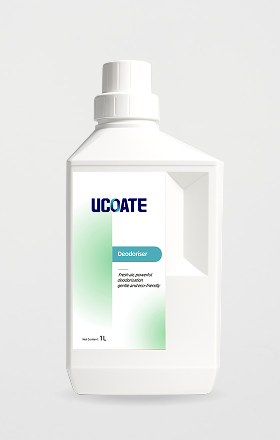
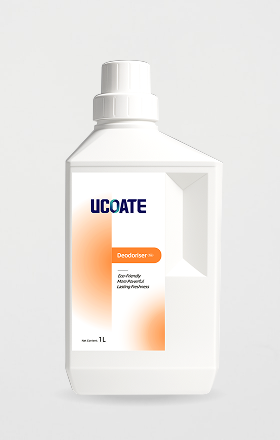
But ventilation only dilutes what's already in the air. It doesn't stop surfaces releasing more, which is why the reading climbs back once you shut up and put the aircon on. For that you have to treat the source. Formaldehyde comes off surfaces, so it's treated at the surface. The wider VOC load is the same idea with different chemistry — our Deodoriser removed over 85% of TVOC, over 93% of benzene and over 90% of ammonia in independent laboratory testing, which is a different job from the formaldehyde product and usually ordered alongside it.
More on how the two split: TVOC and VOC removal in Singapore.