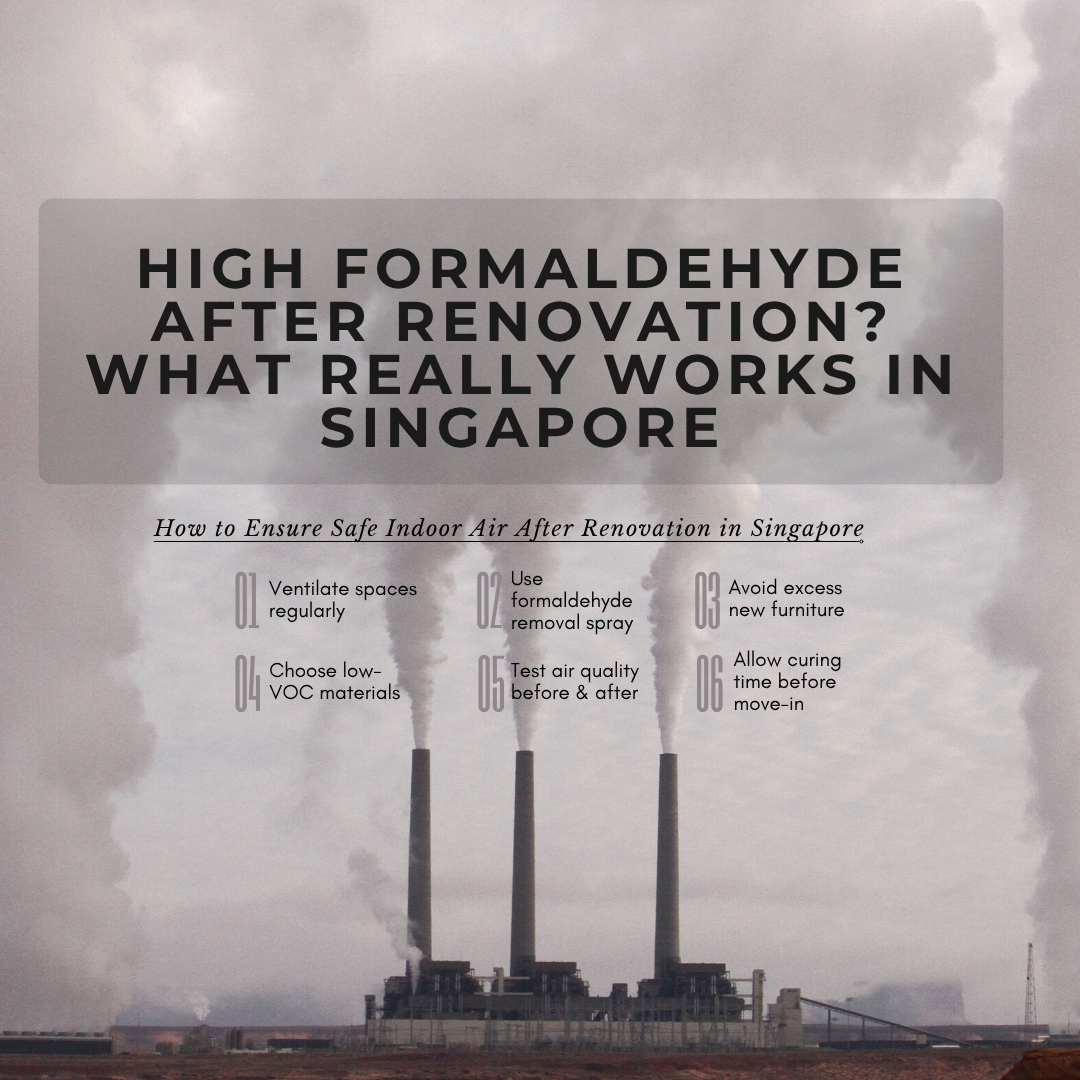
Your newly renovated home or office may look perfect – but in Singapore, the air you breathe could be telling a different story. It is common to find high formaldehyde and VOC (volatile organic compounds) levels indoors for months after renovation, sometimes without any noticeable smell. This is a concern for homeowners, and even professional formaldehyde removal companies in Singapore face the same challenge. Understanding the importance of formaldehyde removal is crucial for health and comfort. The issue is compounded by the local climate and building practices, making awareness and proactive measures essential for maintaining indoor air quality.
If you are looking for formaldehyde removal in Singapore, this guide explains the reasons behind high post-renovation formaldehyde levels, the challenges in the local market, and how UCOATE’s formaldehyde removal solutions can effectively address these issues. We will also explore case studies, expert recommendations, and practical tips that can help you ensure a healthier indoor environment after your renovation project.
To effectively manage these levels, consider professional formaldehyde removal services that specialize in improving indoor air quality. These services often employ advanced techniques and technologies aimed at not just removing formaldehyde but also providing long-term solutions to prevent its accumulation in your living or working space.
1. Why formaldehyde levels stay high after renovation in Singapore
Hot, humid weather and closed windows
In Singapore’s hot and humid climate, many people keep their windows shut to run the air conditioning. With less ventilation, formaldehyde released from building materials and furnishings stays trapped indoors, causing prolonged exposure. This not only impacts the occupants' health but can also lead to long-term damage to the property. Ensuring proper ventilation during and after renovations, as well as using air purifiers, can mitigate these effects significantly.
Traditional renovation methods
Many local renovation projects still rely on heavy carpentry – laminated boards, glued panels and moisture-resistant coatings. While some contractors have switched from E2 to E0-grade boards, poor-quality adhesives can still emit significant amounts of formaldehyde. Finishes such as wood floor lacquers, primers and certain paints also release VOCs, contributing to poor indoor air quality. Selecting certified low-emission materials and consulting with knowledgeable contractors can help reduce the risk.
Material standards and consistency
Unlike countries with strict indoor emissions regulations, Singapore does not have a fully enforced standard for all renovation materials. As a result, “low formaldehyde” labels do not always guarantee safety. Homeowners should conduct thorough research and opt for suppliers who can provide documented emissions testing results, which can ensure that the materials used are genuinely safe for indoor environments.
2. The reality of Singapore’s formaldehyde removal industry
The formaldehyde removal industry in Singapore is still relatively young. Many service providers only started after COVID-19, and some cleaning companies added VOC and formaldehyde removal as a side service. Understanding the landscape of this industry, including the different methodologies and technologies employed, can empower consumers to make informed choices.
Common challenges include:
Using products without proper local testing
- Relying on photocatalyst sprays or chlorine dioxide-based solutions that produce quick but short-lived results
- Applying amino acid-based products that may temporarily lower levels but often see them rebound within weeks
Because formaldehyde is colourless and often odourless, homeowners cannot easily tell if a treatment was effective – until symptoms appear or a proper indoor air quality test is done. It’s critical to follow up with regular testing to ensure that the environment remains safe.
3. What works for formaldehyde removal in Singapore
Professional air quality treatment companies in Singapore now look for solutions that are:
- Effective in low-light or no-light indoor environments
- Able to break down and capture formaldehyde permanently
- Non-toxic and odourless, safe for homes, offices and schools
- Proven by independent local testing to deliver long-lasting results in Singapore’s climate
If you are considering VOC removal in Singapore, these criteria can help you choose a reliable solution. Always seek out testimonials and case studies from previous clients to ensure that the service provider has a proven track record of success.
- Effective in low-light or no-light indoor environments
- Able to break down and capture formaldehyde permanently
- Non-toxic and odourless, safe for homes, offices and schools
- Proven by independent local testing to deliver long-lasting results in Singapore’s climate
If you are considering VOC removal in Singapore, these criteria can help you choose a reliable solution.
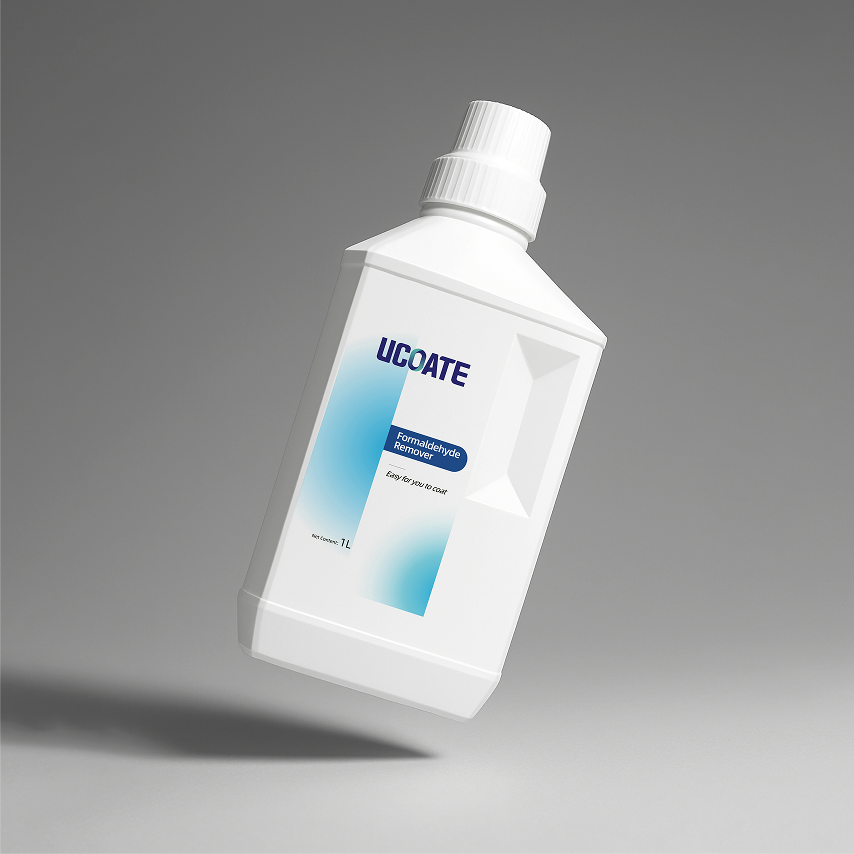
4. UCOATE – trusted by formaldehyde removal professionals in Singapore
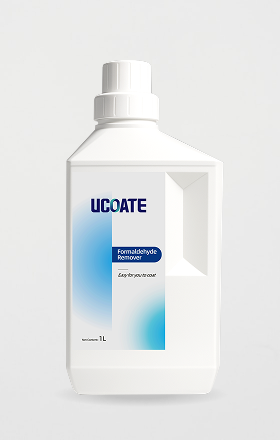
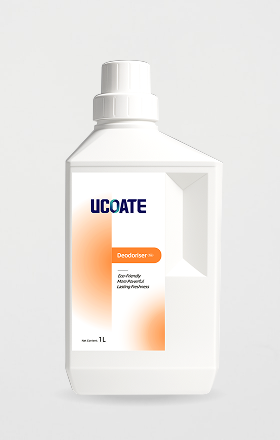
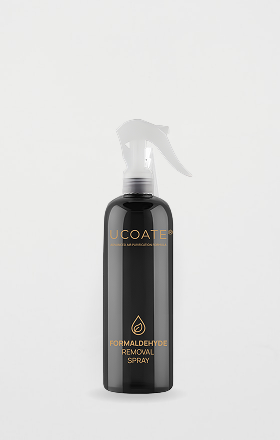
UCOATE’s formaldehyde removal product is specifically designed for Singapore’s hot, humid and low-ventilation conditions. It:
- Reacts with and breaks down formaldehyde without relying on sunlight – effective day and night
- Achieved 93.83% formaldehyde removal efficiency in local SGS laboratory tests
- Passed acute oral toxicity tests, confirming it is non-toxic and safe for occupied spaces
- Can be applied to walls, carpentry and furniture for long-term results
Many established formaldehyde removal companies in Singapore now choose UCOATE – valued for its proven performance and the reliability of a local brand with consistent supply and strong technical support.
5. Final advice for homeowners and industry partners
If you have recently renovated, do not assume the air is safe just because there is no smell.
Homeowners – book an indoor air quality check after renovation to ensure formaldehyde and VOC levels are within safe limits.
Industry professionals – partner with proven products that meet Singapore’s unique renovation and climate challenges.
📩 Email: sale@ucoate.sg
🌐 Website: www.ucoate.sg