If you’ve just finished renovation, chances are you can still smell that “new furniture” or “paint” odour lingering at home. Many homeowners quickly buy an air purifier, hoping it can solve the problem. But the truth is – most air purifiers don’t really tackle formaldehyde effectively. Understanding the importance of formaldehyde removal is crucial for a healthier living environment. Therefore, exploring effective methods for Formaldehyde Removal should be a priority for homeowners.
So, what actually works? Let’s take a closer look.
Why Formaldehyde Removal Matters in Singapore
In Singapore, formaldehyde removal should be a priority, especially in newly renovated homes.
Formaldehyde is a toxic VOC (volatile organic compound) that comes mainly from:
- Built-in cabinets, wardrobes, wood-based furniture
- Flooring, laminates and adhesives
- Paint, lacquer and coating finishes
In Singapore’s humid weather, these materials can keep releasing formaldehyde for years. Long-term exposure may cause irritation, allergies and even respiratory problems. That’s why formaldehyde removal in Singapore is a serious concern for families, especially those with kids or elderly parents.
Can Air Purifiers Remove Formaldehyde?
Not all purifiers are made equal. Here’s the real picture:
- HEPA Filters → Great for dust and PM2.5, but not for gases like formaldehyde.
- Activated Carbon Filters → Can trap formaldehyde for a while, but once the filter is full, it may release it back. You also need to change filters often.
- Ionisers & Plasma Systems → Some claim to break down VOCs, but they often produce ozone, which is harmful to health.
- Photocatalytic Filters (TiO₂) → In theory can decompose formaldehyde, but in a normal home environment the process is too slow.
👉 So yes, air purifiers can help reduce formaldehyde for a short period, but they are not a long-term solution.
What Works Better Than Just an Air Purifier
- Ventilation – Open the windows or use mechanical ventilation to flush the air.
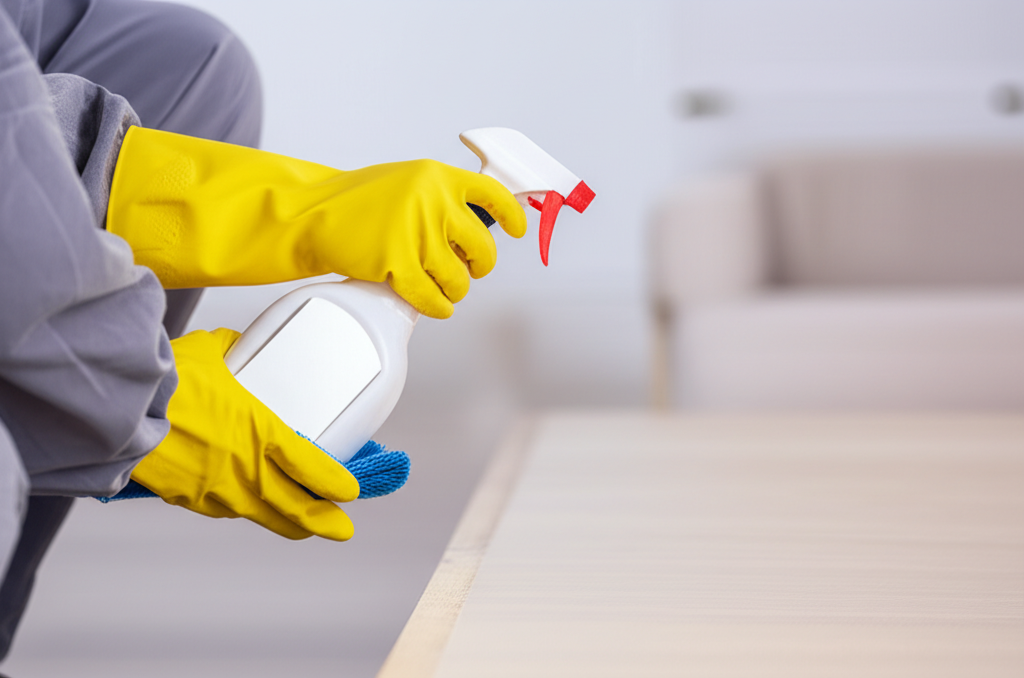
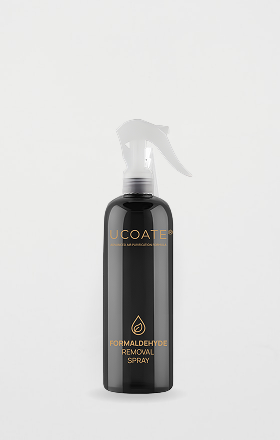
- Formaldehyde Removal Spray – Special sprays can break down formaldehyde molecules at the source, instead of just filtering the air.
- Humidity & Temperature Control – Lower humidity and cooler rooms release less formaldehyde.
- Air Purifiers as Support – They’re useful for dust and particles, but not your main formaldehyde removal method.
FAQ – Common Questions from Singapore Homeowners
1. Which air purifier works best for formaldehyde?
Only those with a large activated carbon filter can help, but remember to replace the filter regularly.
2. How long does formaldehyde last after renovation?
Formaldehyde release can last 3–15 years, depending on the materials used.
3. Is formaldehyde removal spray safe for children and pets?
Yes, if you use water-based, non-toxic sprays that have been tested for safety.
Our Advice
Air purifiers are useful, but they can’t fully deal with formaldehyde after renovation. For real peace of mind, you need a more direct solution.
That’s why more and more Singapore families are choosing formaldehyde removal spray – safe, practical, and easy to apply.
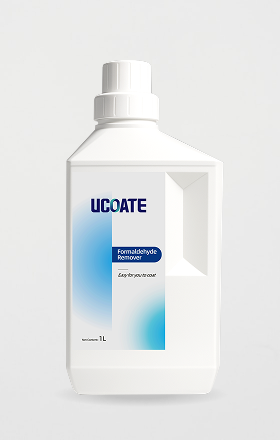
👉 Find out more about UCOATE Formaldehyde Removal Hand Spray.